Past members · Group photos · Join the group
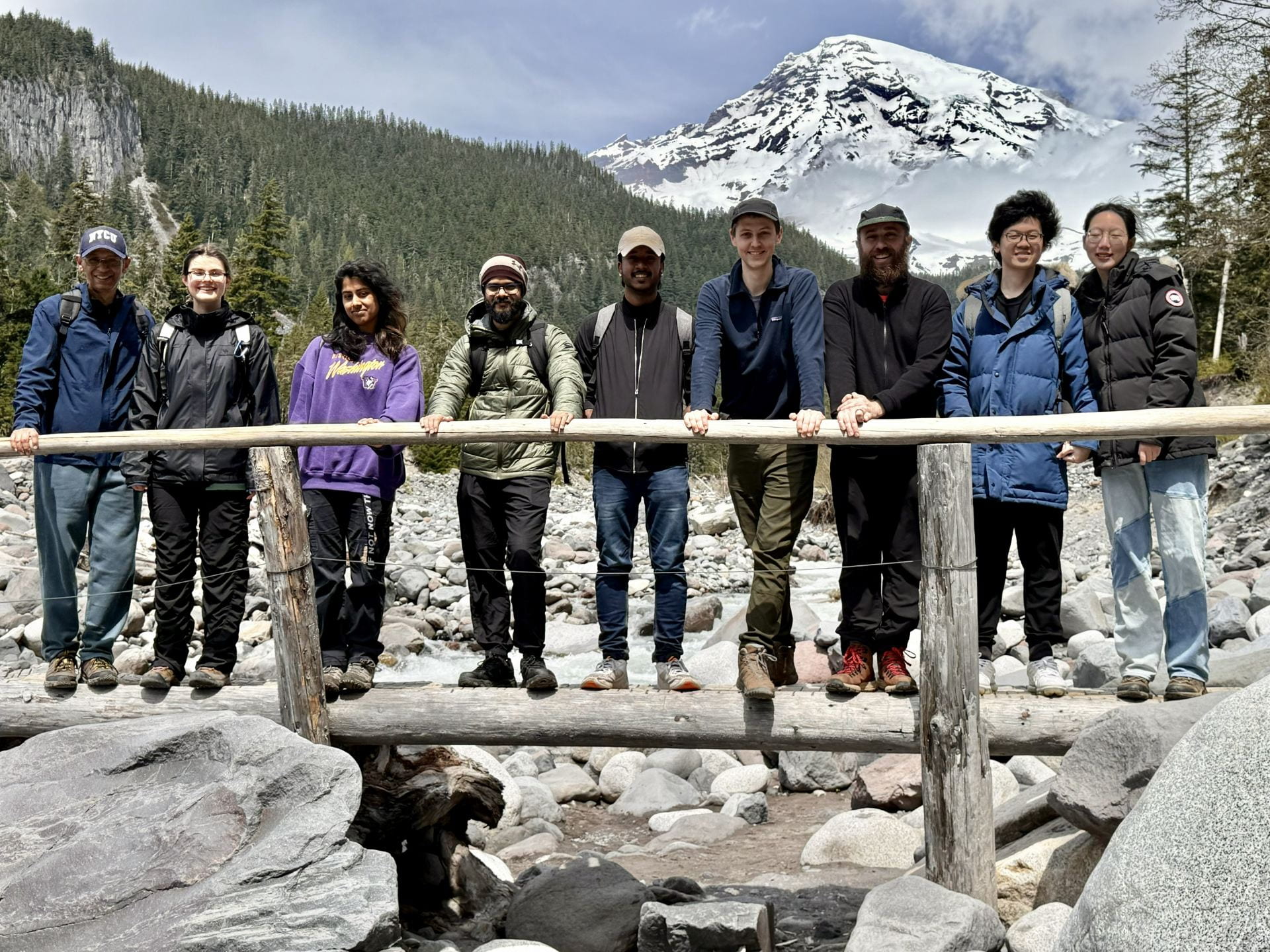
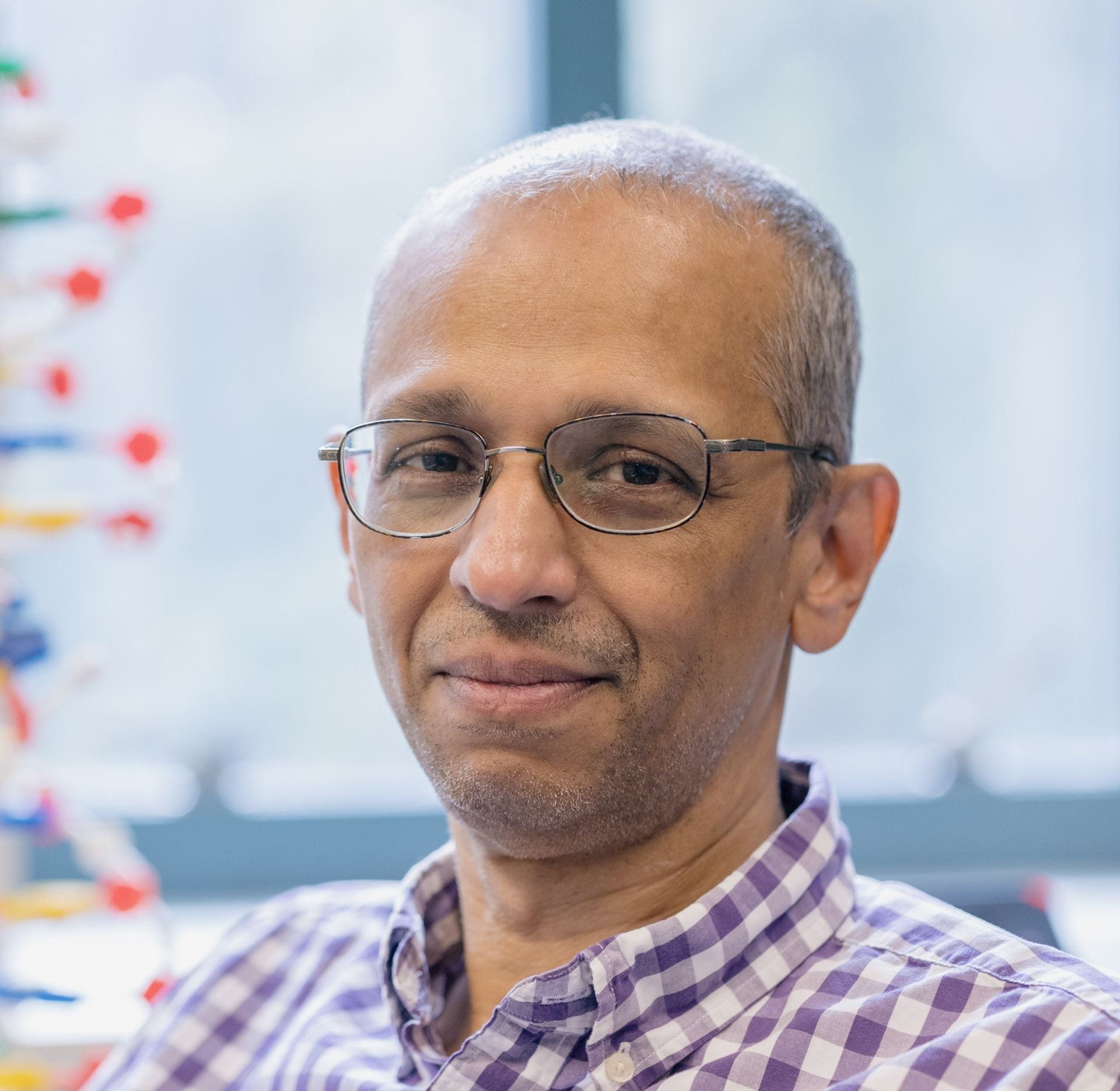
M. P. Anantram (Anant)
M. P. Anantram (Anant) is a Professor of Electrical Engineering, and an Adjunct Professor of Physics at University of Washington (UW). Anantram’s group at UW currently works on the study of charge transport in biological molecules, 2D materials, formation of filaments and phase change in devices, and on theory and algorithms for modeling nanoscale materials and devices. His group has developed some of the fastest methods to calculate electron density and current in devices using direct methods based on the NEGF approach. They have also performed novel computational studies on the electromechanical properties of quasi one-dimensional nanowires and demonstrated the role of drain-end scattering in nanotransistors and noise properties of normal-superconductor junctions. His research efforts have predicted a significant chirality dependent bandgap change in carbon nanotubes and a large change in spontaneous emission rates in silicon nanowires with strain. More recently, his group has been involved in developing methods to understand charge transport in biological molecules and their application in electronic devices and electrical methods for disease detection and sequencing. Anantram earned his B.Sc. in Applied Science from P.S.G. College of Technology, M.Sc. in Physics from University of Pune, and Ph.D. in Engineering from Purdue University. Prior to joining UW, his experience included working at the NASA’s Center for Nanotechnology and serving as Professor at the University of Waterloo. Anantram has also served as an Associate Editor for IEEE Transactions on Nanotechnology and chair of the Modeling and Simulation Committee of the IEEE Nanotechnology Council. He currently serves as an editor of IEEE Transactions on Electron Devices and member of the Modeling and Simulation Committee of the IEEE NTC. He recently published a book titled Quantum Mechanics for Engineers and Material Scientists.
LinkedIn: (Anant) M. P. Anantram - University of Washington, Seattle
Post-doctoral Fellows
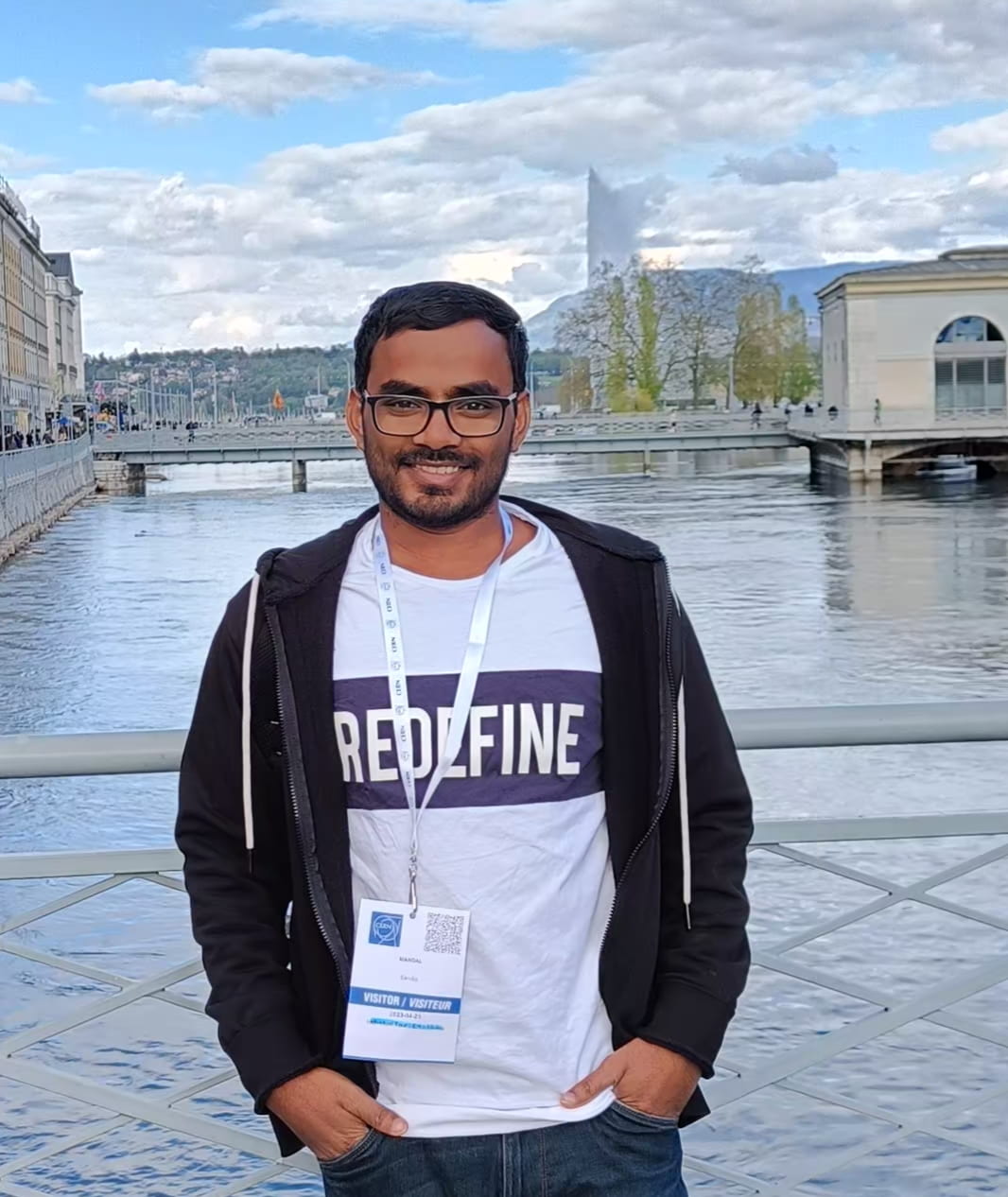
Sandip Mandal
Sandip Mandal is a Computational Biophysicist with a PhD from the Indian Institute of Science (IISc), Bangalore India, specializing in DNA Nanotechnology and Molecular Dynamics Simulations. His current research combines Computational Modeling and Machine Learning to study DNA nanostructures, DNA-nanomaterial interactions, molecular charge transport, and biomolecular dynamics.
Email: sm750@uw.edu
LinkedIn: https://www.linkedin.com/in/sandip-mandal-5b2a2114a/
GitHub: https://github.com/sandip18462
Google Scholar: https://scholar.google.com/citations?hl=en&user=C3fn3SQAAAAJ
ResearchGate: https://www.researchgate.net/profile/Sandip-Mandal-5
PhD Students
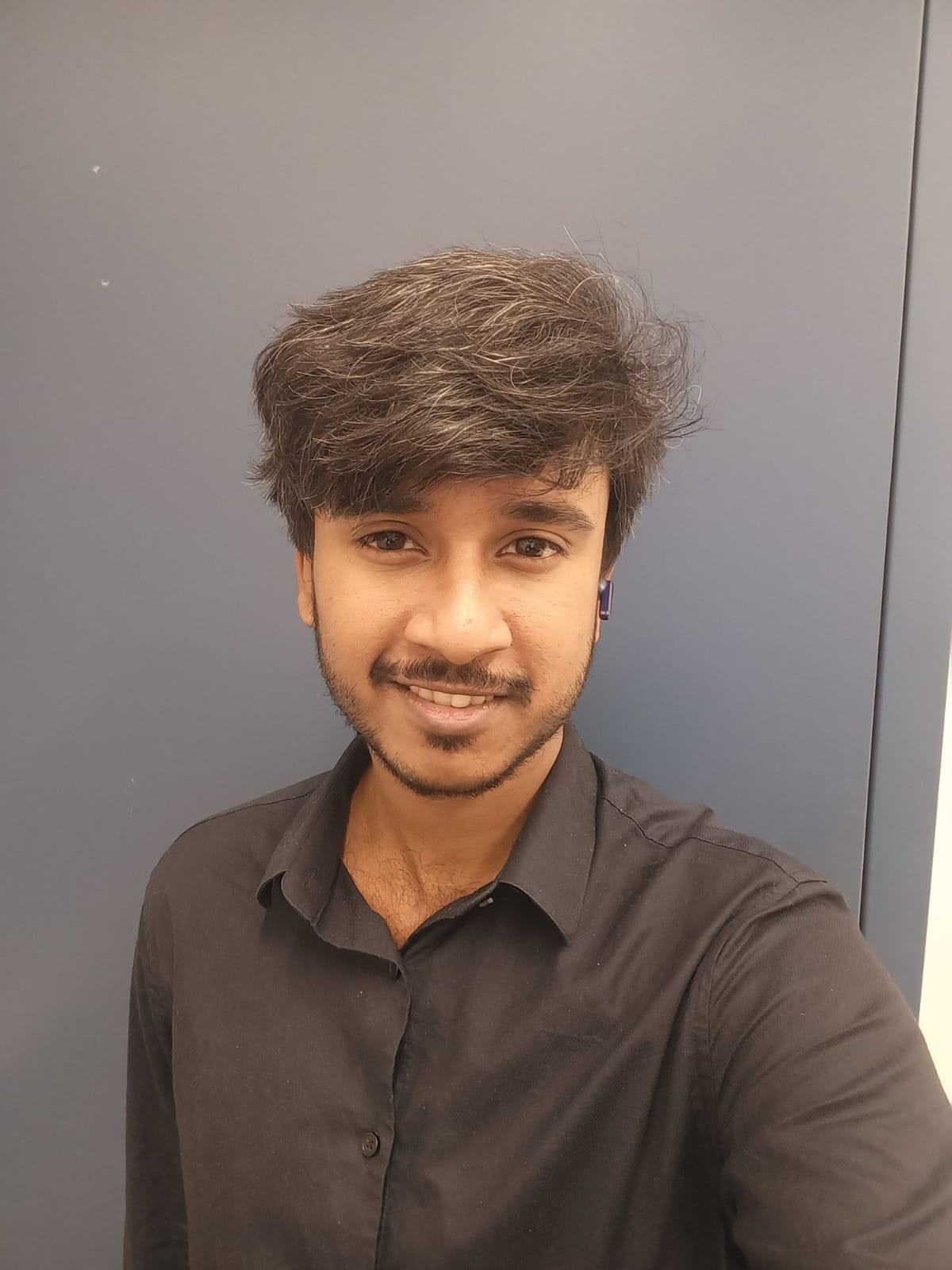
Arpan De
Arpan De has always had a deep interest in physics, but he also obtained a BS in electrical engineering degree from Jadavpur University. He works on both the physics and invention of memory devices as part of our group.
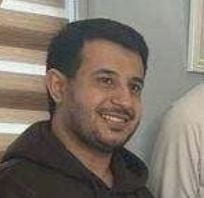
Olayian Alolayian
After a BS and MS in electrical engineering from Saudi Arabia and the USA respectively, Olayian Alolayian worked in the industry for a few years. He is leading the effort in molecular dynamics (MD) simulations and studies a variety of phenomena using these simulations.
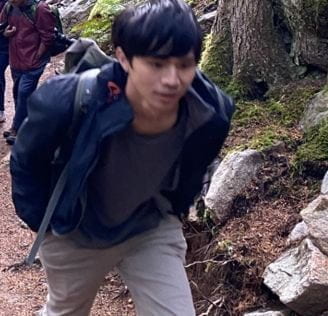
Shiang-Bing Chiu
Shiang-Bin Chiu has a BS in electrical engineering and MS in physics. In our group, he works on topologically engineered DNA nanostructures and plans to work on decoherence models in future.
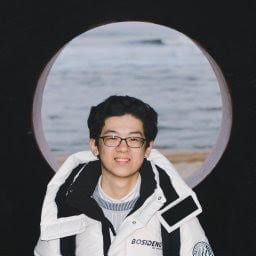
Simon Cao
Simon Cao is a Ph.D. student in Anant’s group, having joined the group during his Master’s at UW, He currently works on semi-classical leaning problems, and will be moving into more quantum modeling problems for his Ph.D. His work currently includes some DFT calculations on 2D materials.
Email: purunc@uw.edu
Room: EEB 253D
LinkedIn: https://www.linkedin.com/in/simoncaouw
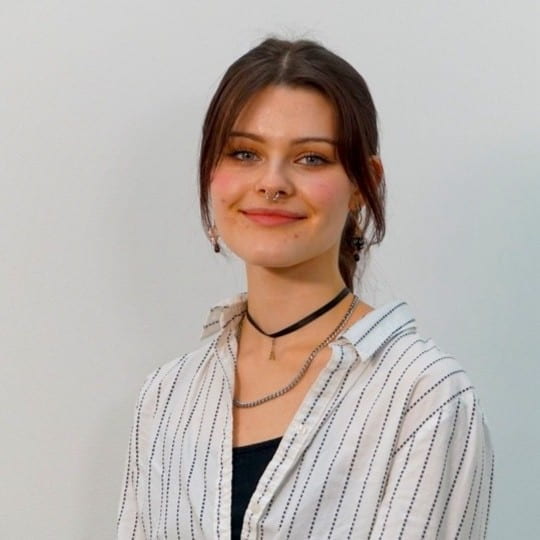
Galina Petrova
Galina Petrova is a PhD student who joined in 2025. Her research focuses on charge transport in DNA, with a strong interest in quantum chemistry and molecular orbitals. In her free time, she enjoys solving Sudoku puzzles.
MS Students
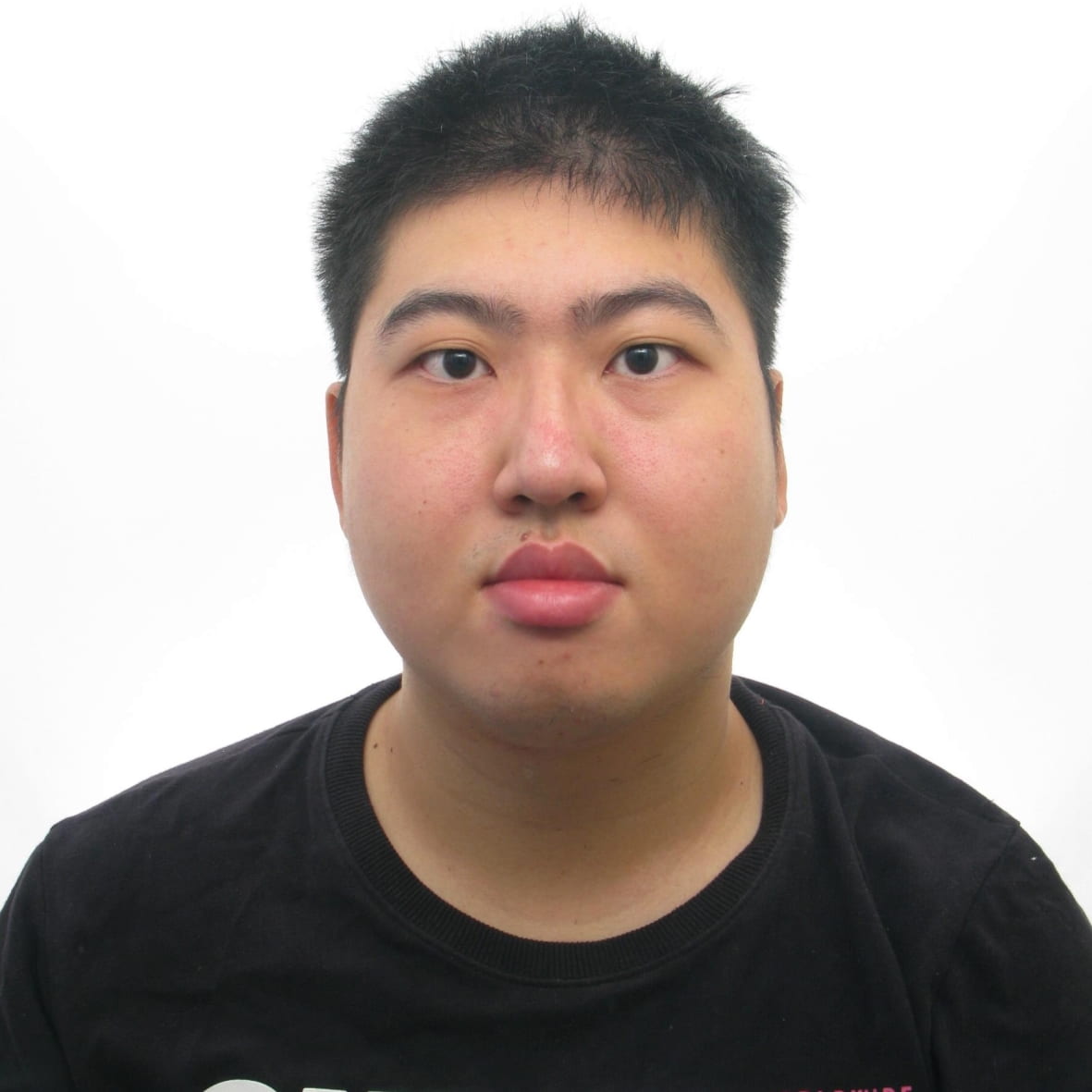
Ting-Cheng Tuan
Ting-Cheng Tuan is an M.S. student in Electrical and Computer Engineering at the University of Washington. His research focuses on molecular dynamics simulations of metal-mediated DNA base pairs, particularly C–Ag⁺–C systems, to investigate their structural and thermal stability. His research interests include computational modeling, molecular simulation, and metal–DNA interactions.
Undergrad Students
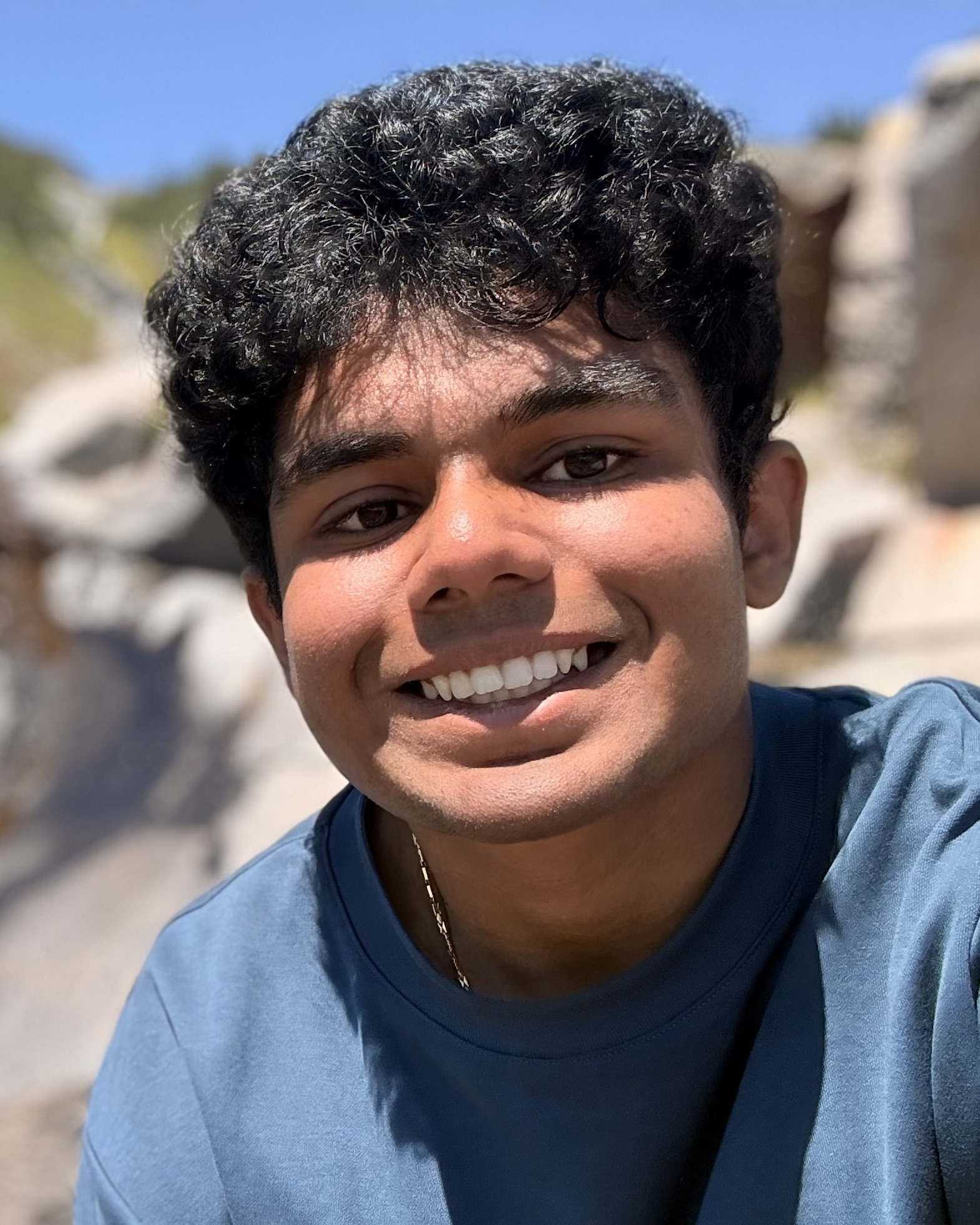
Thirumaran Deepak
Thirumaran Deepak is a computer science student at the University of Washington. He works on machine-learning classification of single-molecule break-junction data and is building an AI pipeline that automates force-field parameterization for metal-mediated DNA. His hobbies include playing basketball and taking nature walks.